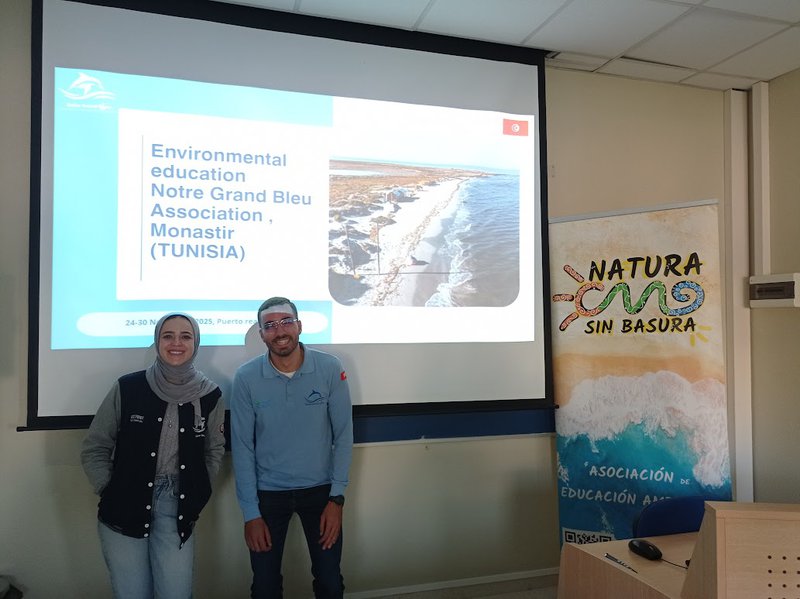
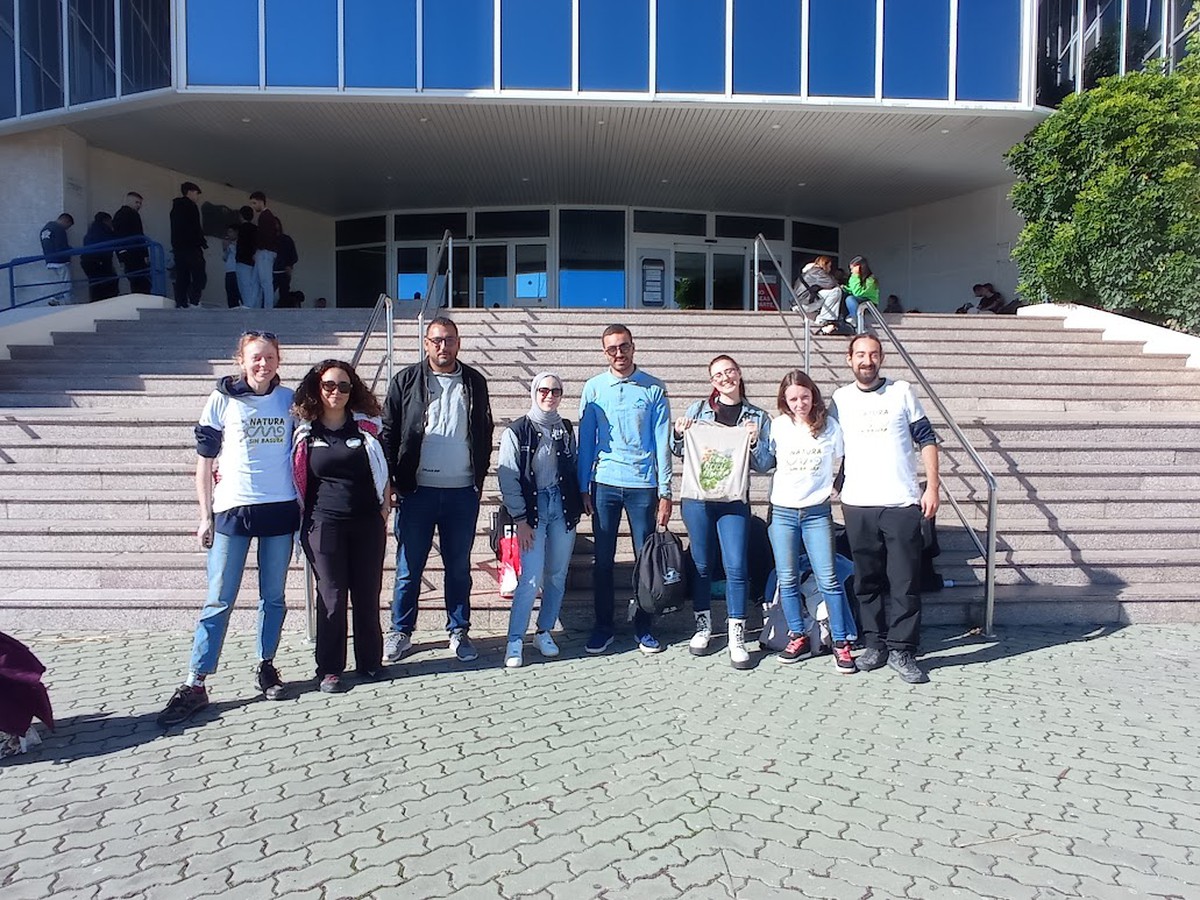
We spent an inspiring and productive week in Andalusia as part of the Erasmus+ project “Eco-Engage: A Peer Learning Seminar on Environmental Education Methods and Experiences.” Together with partners from Spain and Tunisia, we developed and participated in a seminar on best practices in environmental education, held from November 24–30 at the University of Cádiz in Puerto Real.
Throughout the week, we exchanged experiences, learned from one another, and took part in a variety of educational activities connecting nature, science, and innovative learning methods. Each organization had its own “spotlight” session, a two-hour presentation showcasing programs, activities, research, and approaches to environmental education.
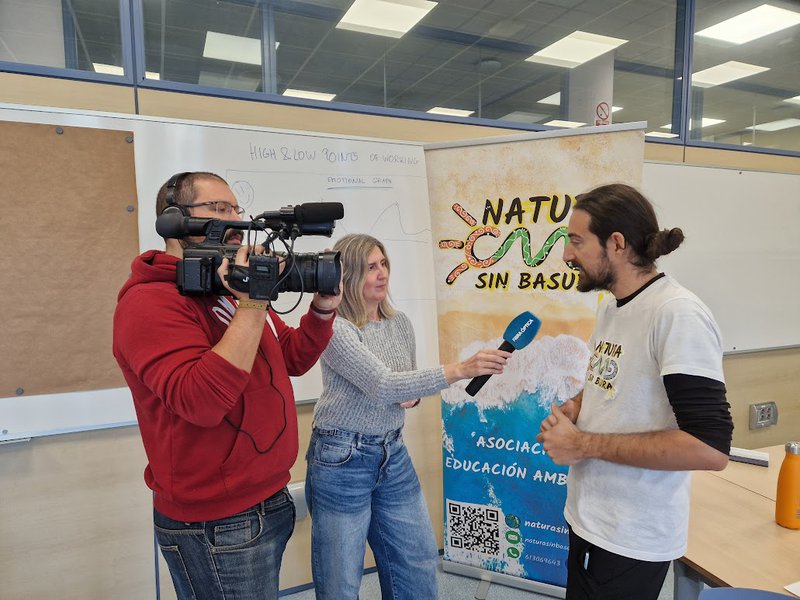
Natura Sin Basura
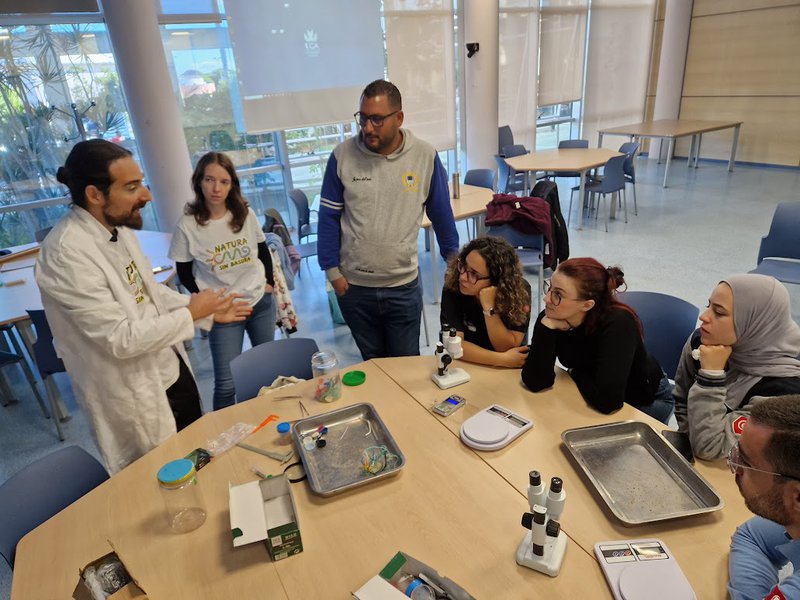
Our first day started at the beach, where Natura Sin Basura, a local association, introduced us to their activities with the local community, especially children. We took part in a beach cleanup at La Cachucha, examined potential sources of collected waste. We were particularly struck by the large number of wet wipes, which we discovered were being flushed down the toilet by the locals, even though they are not biodegradable. Later, using microscopes, we analyzed the microplastics we had collected and observed the organisms living on the plastic debris, which led to a discussion about the dangers of widespread plastic pollution.
We also explored native and invasive species in the area and discussed their roles in maintaining coastal ecosystem stability. The hands-on fieldwork was a powerful reminder of how much we can learn by doing.
Notre Grand Bleu
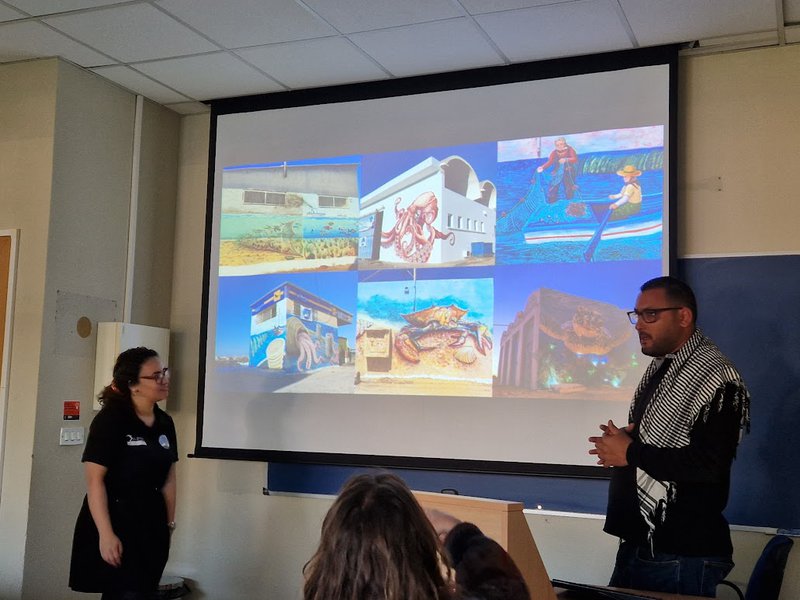
In the afternoon, we met Notre Grand Bleu from Monastir, working in Kuriat Island, Tunisia, experts in biodiversity conservation. They focus on species like Loggerhead sea turtles (Caretta caretta), Little terns (Sterna albifrons), and Posidonia seagrass meadows (Posidonia oceanica).
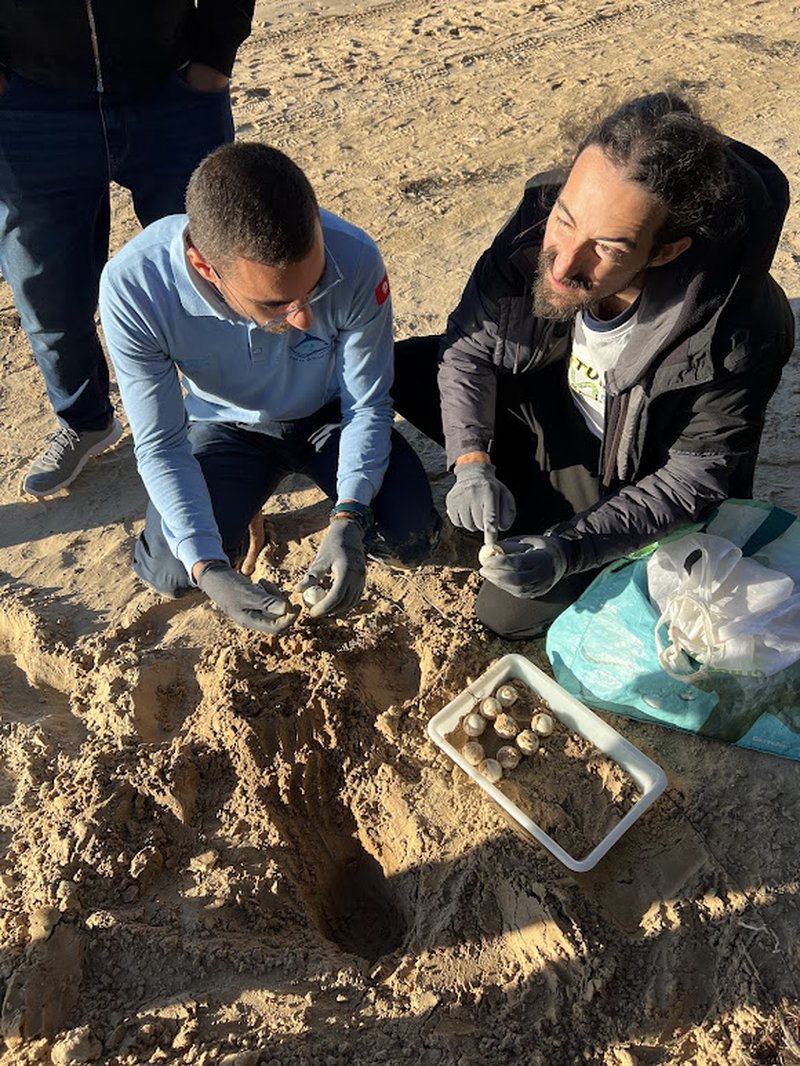
Through a simulated workshop on finding sea turtle nests, we learned field monitoring techniques, how to identify tracks, and how to locate nests. We discussed human impacts on these species and the effect of climate change on turtle sex ratios, which are temperature-dependent during incubation.
Zelena Istra
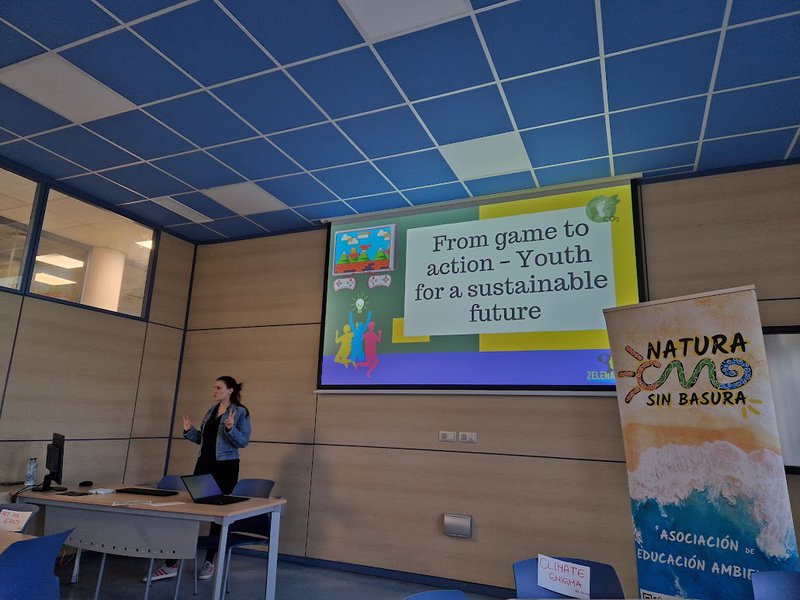
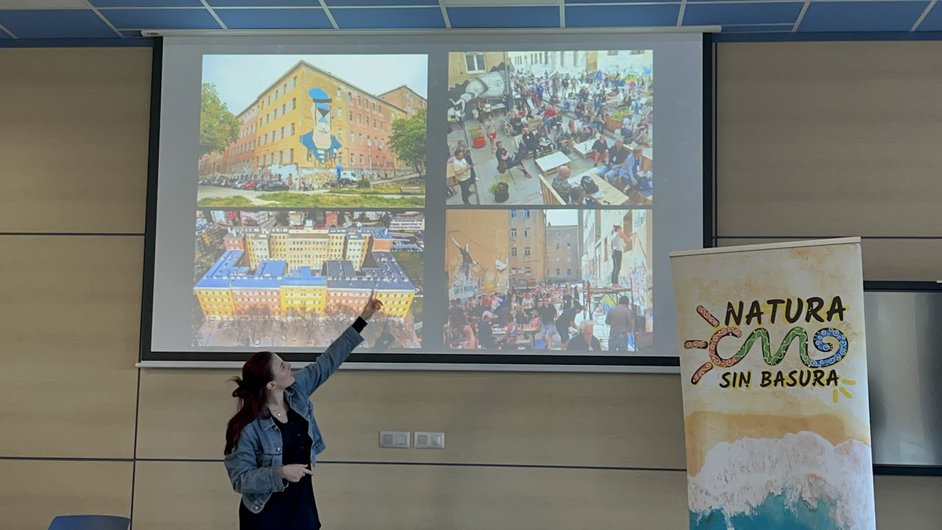
The second day began with Zelena Istra, demonstrating how environmental action can intersect with social and community engagement. We presented our Rojc Community Center and highlighted the role of the Rojc Associations Alliance.
We discussed our Green Phone, community campaigns such as Lungomare, and long-term projects including the Gregovica Community Garden and Repair cafe Re-Geppetto. We emphasized the importance of educating the local community, especially children and youth, through various workshops such as composting workshops, workshops on sustainable consumption and reuse, permaculture workshops, and so on. A highlight was showcasing two Erasmus+ projects focused on gamification, both online and in-person. Partners participated in an escape game created by Zelena Istra, solving tasks and following clues that encouraged problem-solving while raising awareness about climate change.
Kratten
In the afternoon, the Tunisian organization Kratten, whose work was deeply inspiring, presented their approach to marine conservation and community-based environmental initiatives. They showed us how protected marine areas, in Kerkennah island can be established through local involvement, interdisciplinary knowledge, and continuous biodiversity monitoring, focusing on species like Posidonia and Loggerhead sea turtles. They also introduced us to their floating rehabilitation station for sea turtles.
Their use of educational board games for children was particularly impressive, showing how play can be a powerful tool for habit change and raising ecological awareness.
The day ended with a shared reflection on key lessons learned from all four participating organizations.
Eco-Engage Handbook
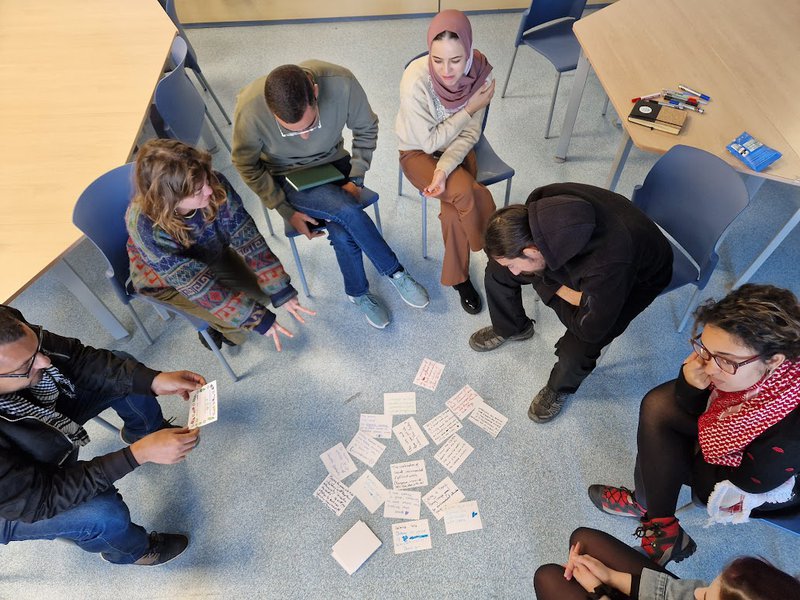
The third and fourth days were dedicated to developing the Eco-Engage Handbook, a collection of informal learning methods for environmental education. It includes detailed activity descriptions, “energizers” (activities to motivate and awaken participants), and methodologies suitable for working with children, youth, and local communities. The handbook will soon be available online for everyone!
LIBERA Initiative: 1 m² for Nature
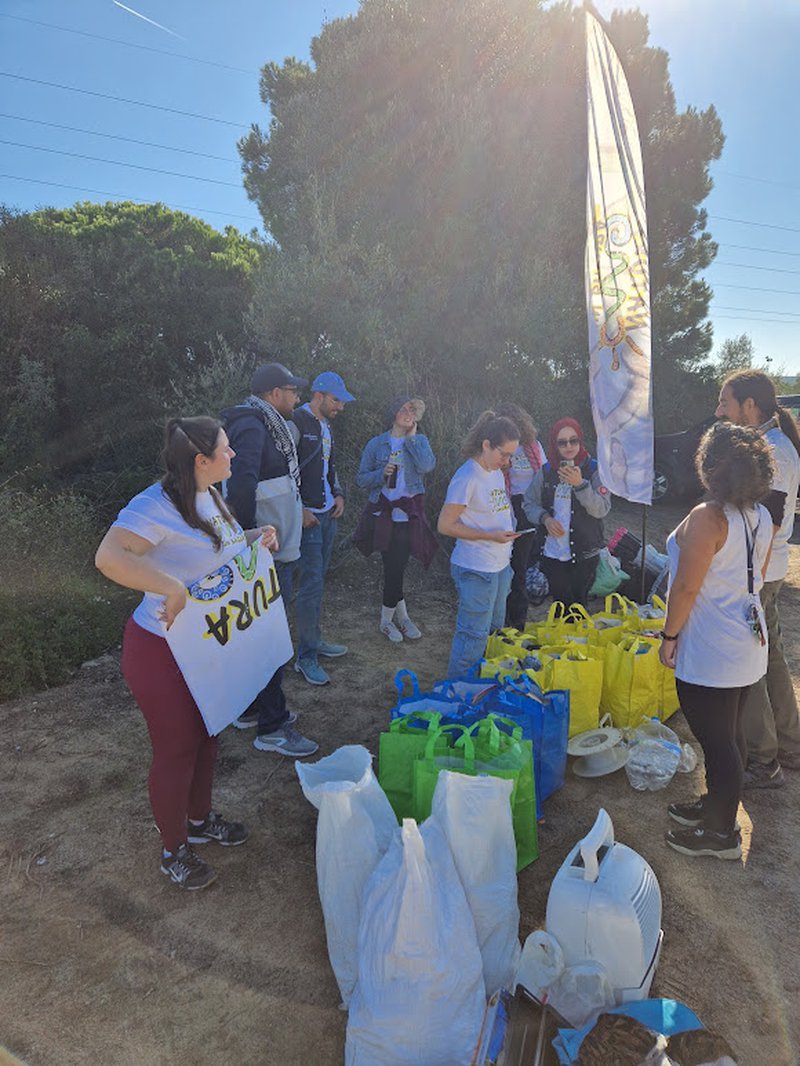
On the final morning, we collaborated with the #ProyectoLIBERA initiative as part of their campaign “1 m² for fields, forests, and mountains.” In just two hours, we collected 27.1 kg of waste, recording the type and amount:
- Plastic: 7.2 kg
- Glass: 9.1 kg
- Paper: 3 kg
- Other: 7.7 kg
Every small action counts, and together, we can make a real difference. 💚
This project is implemented under the KA153 mobility of youth workers program, funded by the European Union.